Nepal and Bhutan Tour Cost: A Complete Guide to Planning Your Himalayan Adventure
Planning a journey through Nepal and Bhutan is an opportunity to experience two extraordinary Himalayan destinations in one unforgettable holiday. From Nepal’s dramatic mountain landscapes, ancient temples, and lively cultural centres to Bhutan’s peaceful monasteries, traditional villages, and breathtaking valleys, these neighbouring countries offer a remarkable combination of adventure, spirituality, and cultural discovery. However, before booking your flights or preparing your itinerary, understanding the Nepal and Bhutan tour cost is essential for making informed travel decisions.
Although both countries share the Himalayan region, their tourism systems, travel expenses, accommodation options, and transportation arrangements are quite different. Nepal offers a relatively flexible travel experience with options for almost every budget, while Bhutan follows a more regulated tourism model with specific fees and travel requirements. Knowing what to expect financially will help you plan a comfortable holiday without unexpected expenses.
Understanding the Overall Nepal and Bhutan Tour Cost
The total cost of a Nepal and Bhutan holiday depends on several factors, including the duration of your trip, travel season, accommodation standards, transportation, activities, and personal spending habits. A short cultural holiday covering Kathmandu, Paro, and Thimphu will generally cost less than an extended journey involving mountain adventures, remote valleys, and multiple destinations.
Nepal is generally more affordable than Bhutan. Travellers can choose from budget guesthouses, comfortable three-star hotels, boutique properties, and luxury mountain resorts. Food, local transportation, sightseeing, and guided activities are also available at different price levels.
Read More: KERALA HONEYMOON TOUR PACKAGE: WHAT COUPLES TRAVELLING FROM DELHI SHOULD KNOW
Bhutan, on the other hand, has a more structured tourism system. International visitors generally need to account for the Sustainable Development Fee (SDF), visa charges where applicable, accommodation, transportation, and guide-related expenses. These requirements make Bhutan a comparatively expensive destination, but they also contribute to its carefully managed tourism experience.
Major Expenses to Include in Your Travel Budget
Before confirming your travel arrangements, consider the following major expenses that influence the overall cost of your Himalayan adventure.
1. International Flights and Transportation
Airfare is one of the most important elements of your travel budget. International flights to Kathmandu are available through several regional and international airlines, depending on your departure country. If you are travelling from Europe, North America, Australia, or other distant destinations, your airfare may represent a significant portion of the total holiday expense.
Travelling between Nepal and Bhutan also requires careful planning. Flights between Kathmandu and Paro are available on selected schedules, generally operated by Bhutanese airlines. The availability and price of tickets can vary according to the season and demand.
Within Nepal, travellers can use domestic flights, tourist buses, private vehicles, and taxis. Bhutanese travel arrangements are generally organised through authorised tourism services, with private vehicles and drivers commonly included in tour packages.
Booking flights early, maintaining flexible travel dates, and comparing available routes can help you manage transportation expenses more effectively.
2. Accommodation and Hotel Choices
Accommodation is another important factor when calculating the Nepal and Bhutan tour cost. Both destinations offer attractive places to stay, although their pricing structures differ.
In Nepal, budget travellers can find simple guesthouses and affordable hotels, particularly in Kathmandu and Pokhara. Mid-range hotels offer private bathrooms, comfortable rooms, restaurant facilities, and convenient locations. Luxury travellers can also enjoy premium resorts with mountain views, traditional architecture, and personalised hospitality.
Bhutan offers a different accommodation experience. Visitors can choose from comfortable tourist hotels, boutique properties, traditional lodges, and luxury resorts. Many properties reflect Bhutanese architectural traditions, allowing travellers to enjoy the country’s distinctive cultural atmosphere.
Your accommodation budget should reflect your preferred level of comfort, location, and the number of nights spent in each country.
3. Bhutan’s Sustainable Development Fee and Visa Charges
One of the most important expenses to understand before visiting Bhutan is the Sustainable Development Fee. This government-imposed charge supports the country’s sustainable development, environmental protection, cultural preservation, and public services.
Under the current published policy, international visitors generally pay an SDF of USD 100 per person per night. Indian nationals have a separate SDF arrangement. Visa requirements and applicable charges also depend on nationality.
Since these fees can substantially affect your overall holiday budget, calculate them according to the number of nights you intend to spend in Bhutan. Always verify the latest official requirements before booking, as government tourism policies can change.
4. Food and Dining Expenses
Food is an enjoyable part of exploring Nepal and Bhutan. Both countries offer distinctive traditional dishes alongside international dining options.
In Nepal, visitors can enjoy dal bhat, momos, thukpa, sel roti, and a variety of local and international cuisines. Kathmandu and Pokhara offer restaurants for different budgets, making it relatively easy to control daily food expenses.
Read More: WHY SAUDIVISA.US IS BECOMING A GO-TO RESOURCE FOR SAUDI ARABIA VISA INFORMATION
Bhutanese cuisine introduces travellers to dishes such as ema datshi, a traditional preparation of chillies and cheese, along with red rice, buckwheat pancakes, and other regional specialities.
Restaurant prices depend on the establishment, location, and menu selection. Travellers who enjoy local dining experiences can often explore authentic flavours without spending excessively.
5. Sightseeing, Cultural Experiences, and Activities
A Nepal and Bhutan holiday is not simply about visiting beautiful places; it is also about discovering the history, traditions, and spiritual heritage of the Himalayas.
In Nepal, popular attractions include Kathmandu Durbar Square, Pashupatinath Temple, Boudhanath Stupa, Swayambhunath, and the lakeside city of Pokhara. Adventure enthusiasts may also consider trekking, paragliding, mountain flights, and white-water rafting.
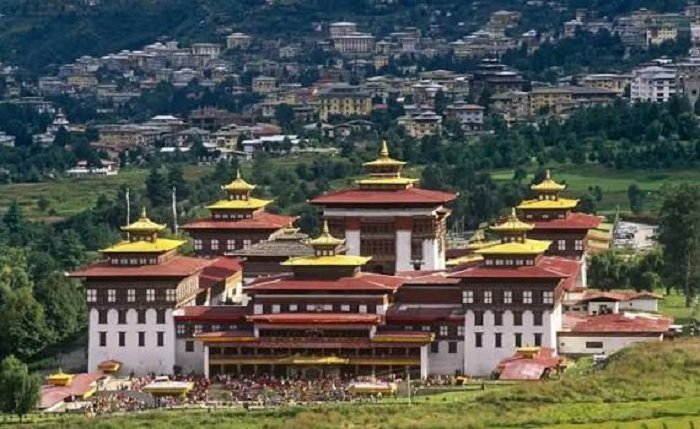
Bhutan offers a more peaceful cultural experience through attractions such as Tiger’s Nest Monastery, Punakha Dzong, Buddha Dordenma, and the traditional streets of Thimphu. Visitors can also explore local markets, attend cultural festivals, and discover traditional Bhutanese architecture.
Some attractions require entrance tickets, while adventure activities, private guides, and specialised experiences involve additional charges. Including these expenses in your itinerary will help you avoid last-minute budget adjustments.
Estimated Budget for a Nepal and Bhutan Tour
The following figures provide a general planning guide for international travellers. They are illustrative estimates rather than fixed package quotations. Actual prices depend on nationality, travel dates, hotel category, flight availability, and tour arrangements.
| Expense category | Estimated cost |
| Nepal accommodation (per night) | USD 20–150+ |
| Nepal meals (per day) | USD 10–35 |
| Nepal local transportation (per day) | USD 10–60+ |
| Bhutan SDF (per night) | USD 100 |
| Bhutan accommodation (per night) | USD 40–200+ |
| Bhutan meals (per day) | USD 15–40 |
| International and regional flights | Varies considerably |
For a combined 8–10-day holiday, a preliminary land-tour budget might range from approximately USD 1,500 to USD 3,000 or more per person, excluding international flights. This is a broad planning estimate, not a guaranteed package price. The Bhutan SDF, visa charges, regional airfare, and included services should be checked separately to establish the actual total.
Best Time to Visit Nepal and Bhutan
Choosing the right season can influence both your travel experience and overall expenses. Spring (March to May) and autumn (September to November) are generally considered excellent periods for visiting both countries.
Spring brings colourful landscapes, blooming rhododendrons, pleasant temperatures, and excellent opportunities for sightseeing. Autumn offers clearer mountain views, comfortable weather, and favourable conditions for cultural exploration and outdoor activities.
Winter can be attractive for travellers seeking quieter destinations and potentially lower accommodation prices in Nepal. However, temperatures can become quite cold, particularly in higher-altitude regions. The monsoon season brings heavy rainfall to parts of Nepal, which can affect trekking and mountain visibility.
Travelling during less crowded periods may provide greater flexibility with hotel selection and some travel services.
Practical Tips to Manage Your Travel Expenses
A well-planned itinerary can make your holiday more affordable without compromising the quality of your experience.
- Book flights in advance: Early reservations can provide better opportunities to secure suitable fares.
- Choose accommodation wisely: Mid-range hotels often provide an excellent balance between comfort and affordability.
- Compare tour packages: Check exactly what each package includes, particularly Bhutan’s SDF, accommodation, meals, transportation, and guide services.
- Avoid unnecessary transfers: Organising destinations geographically can reduce transportation costs and save valuable travel time.
- Plan sightseeing carefully: Prioritise the attractions that genuinely interest you rather than filling your itinerary with unnecessary activities.
- Keep an emergency budget: Reserve additional money for personal purchases, travel changes, tips, and unexpected expenses.
Most importantly, request a detailed cost breakdown from your tour operator before making a booking. A transparent quotation makes it easier to understand what you are paying for.
Why Choose a Combined Nepal and Bhutan Holiday?
Combining Nepal and Bhutan creates a travel experience that is difficult to replicate in a single destination. Nepal introduces visitors to the energetic atmosphere of Himalayan cities, diverse landscapes, ancient heritage, and adventurous outdoor activities. Bhutan offers a contrasting experience through its peaceful monasteries, preserved traditions, pristine surroundings, and distinctive approach to sustainable tourism.
Rather than treating these countries as interchangeable destinations, travellers can appreciate their individual identities while discovering the cultural and geographical connections that link them.
Whether you are travelling as a couple, with family, or with a group of friends, a thoughtfully designed itinerary can provide a rewarding balance of relaxation, adventure, and cultural discovery.
Final Thoughts
Understanding the Nepal and Bhutan tour cost before departure is the first step towards organising a memorable Himalayan holiday. From flights and accommodation to Bhutan’s Sustainable Development Fee, meals, sightseeing, and transportation, every expense deserves careful consideration.
Nepal provides flexibility for travellers with different budgets, while Bhutan offers a distinctive, regulated tourism experience that requires additional financial planning. By selecting the right season, comparing transparent tour packages, and choosing experiences that match your interests, you can enjoy both destinations without unnecessary financial stress.
Ultimately, the best Nepal and Bhutan journey is not necessarily the most expensive one. It is the journey that combines thoughtful budgeting with meaningful experiences, allowing you to discover the beauty, hospitality, and cultural richness of two remarkable Himalayan kingdoms.