Everest Region Trekking Guide: Everest Base Camp Trek, Kala Patthar Trek, Gokyo Lake & Three Passes Adventure
If you’ve spent any time scrolling through trekking forums or chatting with friends who’ve been to Nepal, you’ve probably noticed everyone has an opinion on which Everest trek is “the one.” Some swear by the classic Everest Base Camp Trek. Others say you haven’t really seen Everest until you’ve stood on Kala Patthar at sunrise. Then there are the trekkers who insist the Everest Base Camp with Gokyo Lake trek beats them all for scenery and the hardcore crowd who won’t shut up about the Three Passes Trek.
Here’s the honest truth: they’re all right, in their own way. The Everest region isn’t a single trail — it’s a network of routes, each one showing you a slightly different side of the Khumbu. Picking between them usually comes down to how much time you have, how fit you are, and what kind of experience you’re actually chasing.
This guide walks through all four routes side by side, so you can figure out which Everest trekking package actually fits your goals instead of just following whatever’s trending on Instagram this month.
Why the Everest Region Remains Nepal’s Most Famous Trekking Destination
People have been walking toward Everest since long before it became a bucket-list item. The early expeditions of the 1950s put the region on the map, and Sherpa communities have been guiding, feeding, and looking after trekkers ever since — it’s practically woven into daily life here.
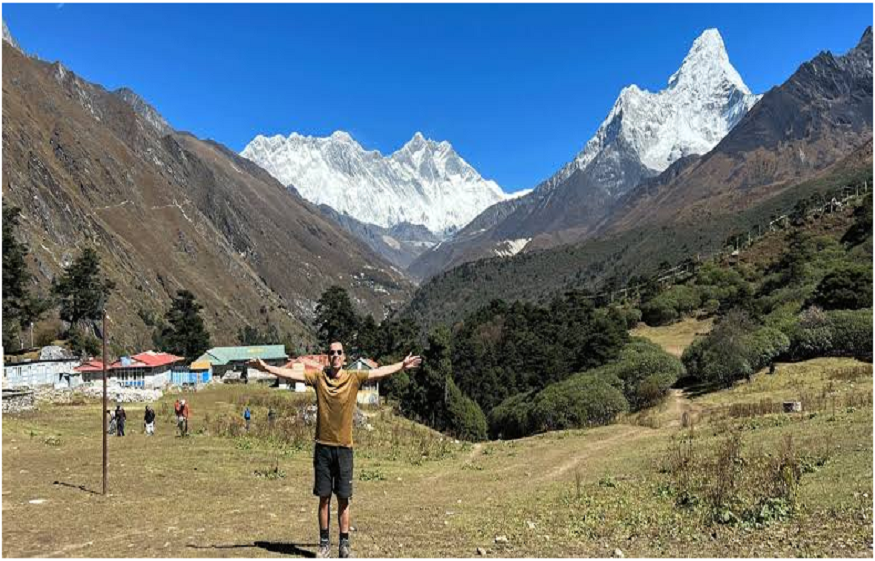
Most routes pass through Sagarmatha National Park, a UNESCO World Heritage site that protects not just the mountains but the forests, glaciers, and wildlife tucked into these valleys. You’ll cross swinging suspension bridges strung with prayer flags, walk past centuries-old Buddhist monasteries like Tengboche, and share the trail with yaks hauling supplies to villages that have no road access whatsoever.
It’s this combination — jaw-dropping Himalayan scenery, genuine Sherpa hospitality, and a sense that you’re walking through living history — that keeps Everest trekking in Nepal at the top of so many travel lists, year after year.
Everest Base Camp Trek – The Classic Himalayan Journey
What Makes the Everest Base Camp Trek So Special?
There’s a reason this is the trek most people picture when they imagine walking to Everest. The route takes you through Namche Bazaar, the unofficial capital of the Khumbu, then up through Tengboche, Dingboche, Lobuche, and finally Gorakshep before you reach Everest Base Camp itself.
Read More: CRETE WITHOUT CROWDS: HOW TO ORGANIZE A SECLUDED PREMIUM VACATION
Standing at the base camp, surrounded by the jagged icefall of the Khumbu Glacier, is genuinely humming with emotion for most people. It’s not a technical climb — it’s a long, steady walk — but reaching that spot still feels like an achievement.
Who Should Choose This Trek?
This route works well for first-time Himalayan trekkers who have a decent, moderate fitness level but no real mountaineering background. It’s also a favourite among photographers and bucket-list travellers who want the classic Everest experience without piling on extra technical passes.
Highlights of the Everest Base Camp Trek
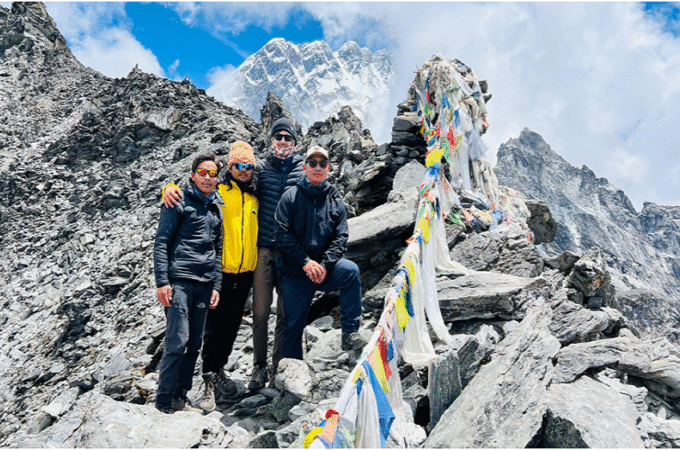
Along the way you’ll pass beneath towering peaks, cross the Khumbu Glacier’s moraine, and spend evenings in cosy mountain lodges swapping stories with other trekkers over dal bhat. Sherpa hospitality shows up in small ways — a warm cup of tea offered without being asked, a lodge owner pointing out which peak is which. And honestly, few things beat a Himalayan sunrise hitting the summit of Everest while you’re still wrapped in your sleeping bag.
Kala Patthar Trek – The Best Viewpoint of Mount Everest
Why Kala Patthar Is More Than Just a Viewpoint
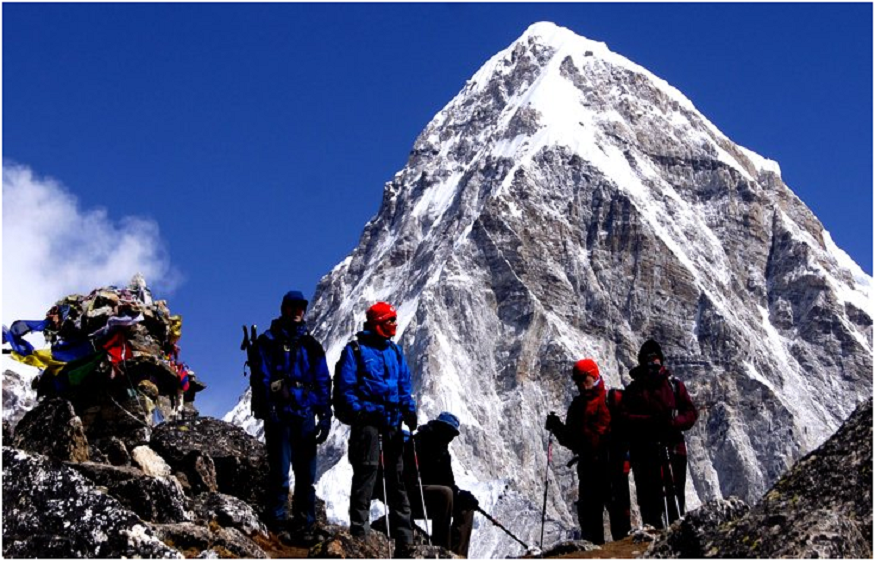
At 5,644 meters, Kala Patthar actually sits higher than Everest Base Camp, and it gives you something base camp can’t: an actual view of Everest’s summit. From base camp itself, Everest is partly blocked by Nuptse. Climb up to Kala Patthar, though, and you get an open, sweeping view of Everest alongside Nuptse, Lhotse, and Pumori.
Trekkers who make the pre-dawn climb almost always say the same thing — the sunrise from up there is worth every freezing minute.
Is Kala Patthar Worth the Extra Climb?
It’s a tough couple of hours, no question, especially in the cold and thin air. But most people who’ve done the Everest Base Camp Trek will tell you Kala Patthar is genuinely the highlight of the whole trip, not just an optional add-on. Bring a headlamp, dress in proper layers, and check the weather the night before — clear mornings are common but not guaranteed.
Everest Base Camp with Gokyo Lake Trek – A Perfect Mix of Adventure and Beauty
What Makes the Gokyo Route Different?
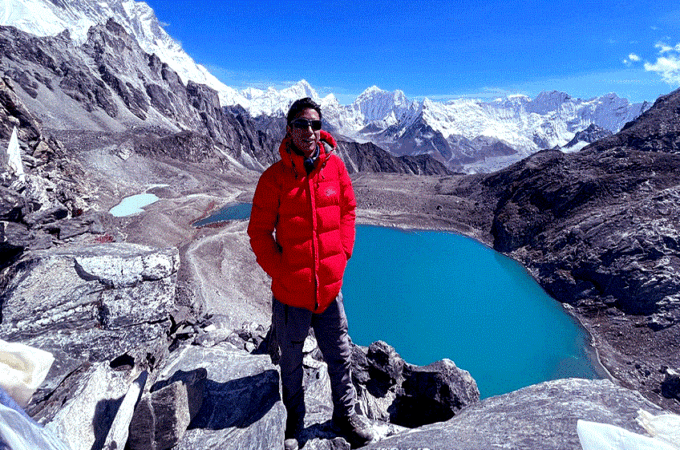
If crowds aren’t your thing, the Gokyo route is where you want to be. It swings west of the main EBC trail toward the Gokyo Lakes — a string of turquoise, glacier-fed pools that look almost unreal against the grey mountainside. Gokyo village itself is quieter, calmer, and honestly a nice change of pace after the busier lower Khumbu trail.
Crossing Cho La Pass
The link between Gokyo and the main Everest Base Camp trail is Cho La Pass, a glacier crossing that adds a real dose of adventure to the itinerary. It’s not a walk in the park — there’s some scrambling over rock and ice — but the scenery on either side makes the effort worthwhile.
Gokyo Ri Viewpoint
Climb Gokyo Ri at sunrise and you get an Everest panorama that rivals Kala Patthar, plus a bird’s-eye view of the Ngozumpa Glacier, Nepal’s longest glacier, and the string of Himalayan lakes below. For trekkers wanting the Everest Base Camp with Gokyo Lake Trek experience without missing a single highlight, this viewpoint alone justifies the detour.
Three Passes Trek – The Ultimate Everest Region Adventure
What Is the Three Passes Trek?
This is the big one. The Three Passes Trek strings together Kongma La Pass, Cho La Pass, and Renjo La Pass into a single loop, while still hitting Everest Base Camp, Kala Patthar, and the Gokyo Lakes along the way. In short, it’s everything the other three treks offer, combined into one longer, harder journey.
Why Experienced Trekkers Love the Three Passes Trek
There’s a reason seasoned hikers keep coming back to this one. The trails are remote, the tourist numbers drop off noticeably once you’re off the main highway, and the terrain genuinely challenges you — steep switchbacks, glacier crossings, high-altitude passes above 5,300 metres. For anyone who’s already done a Himalayan trek and wants the full, complete Everest experience, this is it.
Is the Three Passes Trek Right for You?
Be honest with yourself here. This route really does ask for previous trekking experience, solid physical preparation, and enough vacation time — typically around 18 to 20 days. Weather planning matters too, since some passes can get tricky in poor conditions. If you’re newer to trekking, it might be smarter to build up to this one rather than starting with it.
Comparing These Everest Treks
| Feature | Everest Base Camp Trek | Kala Patthar Trek | Everest Base Camp with Gokyo Lake Trek | Three Passes Trek |
| Duration | 12–14 days | 12–14 days (same as EBC) | 15–18 days | 18–20 days |
| Difficulty | Moderate | Moderate | Moderate to Challenging | Challenging |
| Maximum Altitude | 5,364m (EBC) | 5,644m | 5,357m (Gokyo Ri) | 5,545m (Kongma La) |
| Scenic Value | High | Very High | Very High | Exceptional |
| Crowd Level | Busy | Busy | Moderate | Low |
| Adventure Level | Moderate | Moderate | High | Very High |
| Best For | First-timers | Sunrise seekers | Lake lovers, photographers | Experienced trekkers |
| Physical Fitness Needed | Moderate | Moderate to Good | Good | Excellent |
Best Time to Trek in the Everest Region
Spring (March–May) is a favourite for a reason — rhododendrons bloom across the lower valleys, temperatures are milder, and mountain views are generally clear. It’s also climbing season, so you’ll cross paths with expedition teams heading up.
Autumn (September–November) is arguably the best time for Everest Base Camp Trek, with stable weather, crisp air, and some of the clearest mountain visibility of the year. It’s peak season though, so lodges fill up fast.
Winter (December–February) brings fewer crowds and stunning clear skies, but the cold at altitude is no joke, and some high passes can close if snowfall is heavy.
Monsoon (June–August) is generally one to avoid — trails get muddy, leeches show up in the lower forests, and cloud cover ruins most mountain views. Unless you’re specifically after a quiet, green trek and don’t mind the rain, it’s best skipped.
Physical Fitness and Altitude Preparation
Most days involve five to seven hours of walking, often on uneven, rocky trails with a fair bit of uphill. Training beforehand genuinely helps — regular hiking, stair climbing, or cardio in the months before you go will make a noticeable difference.
Acclimatization days are non-negotiable, not optional extras. Drink more water than feels necessary, keep your pace slow at altitude (your guide will remind you of this constantly, and for good reason), and know the early symptoms of altitude sickness — headache, nausea, dizziness — so you can act on them before they get serious.
Accommodation and Food Along the Trail
Tea houses are the backbone of Everest trekking, and honestly they’re more comfortable than most people expect. Rooms are simple — twin beds, a shared bathroom down the hall in most places — but the dining halls are usually warm, social spaces heated by a yak-dung stove where trekkers from all over the world end up swapping stories.
Wi-Fi and charging are available at most stops, usually for a small fee, though don’t expect blazing speeds once you’re above Namche. Bottled and boiled water are both options for staying hydrated. As for food, expect hearty portions of dal bhat, noodle soups, momos, and porridge — simple, filling meals designed to keep you fuelled for long trekking days.
Permits Required for Everest Trekking
Two permits cover all four routes: the Sagarmatha National Park Permit and the Khumbu Pasang Lhamu Rural Municipality Permit. Both are checked at entry checkpoints along the trail — usually at Monjo, just before Namche Bazaar — and they exist to help manage tourism numbers and fund conservation and local infrastructure in the region.
Choosing the Right Everest Trek for Your Travel Style
If you’re new to high-altitude trekking, the Everest Base Camp Trek is the sensible starting point. Want that unbeatable Everest photo without much extra effort? Add on the Kala Patthar Trek. If quieter trails and glacial lakes appeal to you more than ticking off the “classic” route, the Everest Base Camp with Gokyo Lake Trek is worth serious consideration. And if you’ve already got a few treks under your belt and want the full Khumbu experience, the Three Passes Trek delivers it all in one demanding, rewarding package.
Final Thoughts
At the end of the day, there’s no single “best” Everest trek — just the one that matches where you’re at right now. The Everest Base Camp Trek gives you the classic Himalayan journey. The Kala Patthar Trek adds that unforgettable sunrise view. The Everest Base Camp with Gokyo Lake Trek trades some crowds for turquoise lakes and quieter trails. And the Three Passes Trek pulls it all together for trekkers ready to push themselves.
Choose based on your own experience and goals, not on whatever route is trending this season. Whichever you pick, the Khumbu has a way of staying with you long after you’ve flown out of Lukla — so lace up, plan smart, and go see it for yourself.
FAQs
1. How difficult is the Everest Base Camp Trek for beginners?
It’s manageable for beginners with a reasonable fitness level, since there’s no technical climbing involved — just long walking days at altitude. That said, some pre-trip cardio training and a slow, steady pace once you’re on the trail make a big difference.
2. Is Kala Patthar higher than Everest Base Camp?
Yes. Kala Patthar sits at around 5,644 metres, while Everest Base Camp is at about 5,364 metres. Most trekkers combine both, since Kala Patthar offers the clearer summit view that base camp itself doesn’t provide.
3. What is the difference between the Everest Base Camp Trek and the Everest Base Camp with Gokyo Lake Trek?
The standard EBC trek is shorter and busier, following the main trail up and back. The Gokyo Lake version adds several extra days, a crossing of Cho La Pass, and a detour to the Gokyo Lakes and Gokyo Ri — trading a bit more effort for quieter trails and extra scenery.
4. How challenging is the Three Passes Trek compared to the Everest Base Camp Trek?
It’s noticeably harder. You’re crossing three high passes above 5,000 metres instead of one main trail, the days are longer, and prior trekking experience really is recommended before attempting it.
5. What is the best season for the Everest Base Camp Trek and Three Passes Trek?
Autumn generally offers the clearest skies and most stable trail conditions for both treks, with spring running a close second thanks to milder temperatures and blooming rhododendrons. Both seasons beat monsoon or peak winter for visibility and trail safety.